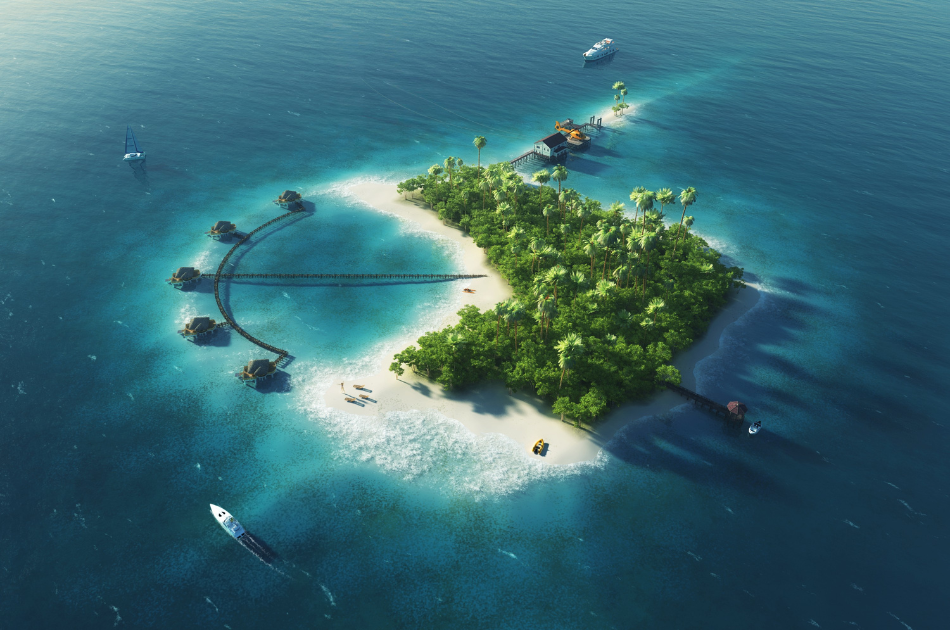
The restaurant has eleven seats and exists for nine days. It sits on the northern shore of a Caribbean island, in a structure that was a boat house in March and will be a boat house again in May. The chef holds two Michelin stars in a city four thousand miles away and has closed that dining room to be here. There is no menu. There is no website. The seats were spoken for before anyone outside a private list knew the place existed.
This is the shift happening in luxury travel right now. The questions travellers are asking isn’t “where should I go?” anymore, it’s “what do I want to feel, do, or witness, and how fast can I get there?” And increasingly, the answer to that second question is by private jet.
The Destination Was Never Really the Point
For the longest time, geography has set the terms of travel. You booked a week in a country, or a fortnight on a coast, and the experiences you had were whatever that place offered while you were standing in it. The itinerary was built forward from an arrival date.
That has quietly inverted. Luxury travellers are no longer choosing a destination and filling it with activity. They are choosing a single fixed moment – a dinner, a race, a powder window, an opening, a migration – and building the entire trip backwards from it. The place is downstream of the moment. Sometimes the place is barely relevant at all beyond being where the experience happens to be.
It is a small shift in phrasing and an enormous shift in logistics. A week in a country is elastic. A 9pm on a Thursday is not.
The Logistics of the Unrepeatable
Luxury travel has always been sold on space and service: the larger suite, the better table, the private guide. Those things are still relevant, but they are no longer what separates a good trip from an unrepeatable one. What separates them is being in the right place during a window that stays open for hours rather than months.
Wealth easily secures access and luxury in travel, but it cannot reverse time. It will not recreate a missed gathering or recall a clear morning after the storm rolls in. Its true value lies in responsiveness: the freedom to act the precise moment an opportunity arises.
The Weekend That Costs No Weekdays. A Saturday race in southern Europe, a pop-up dinner, a one-night only festival. Depart from work on Friday and arrive home late on Sunday, no Monday morning lost to a connection, poor scheduling, or delayed flight.
Many experiential travel destinations are intentionally secluded – boutique islands, wildlife reserves, heritage properties, wellness retreats – often located far from major commercial airports. A private charter bridges that gap by landing closer to the final destination and preserving the sense of exclusivity that defines the experience. A commercial itinerary to the same spot might involve three connections and a missed weather window. A charter turns it into a same-day round trip.
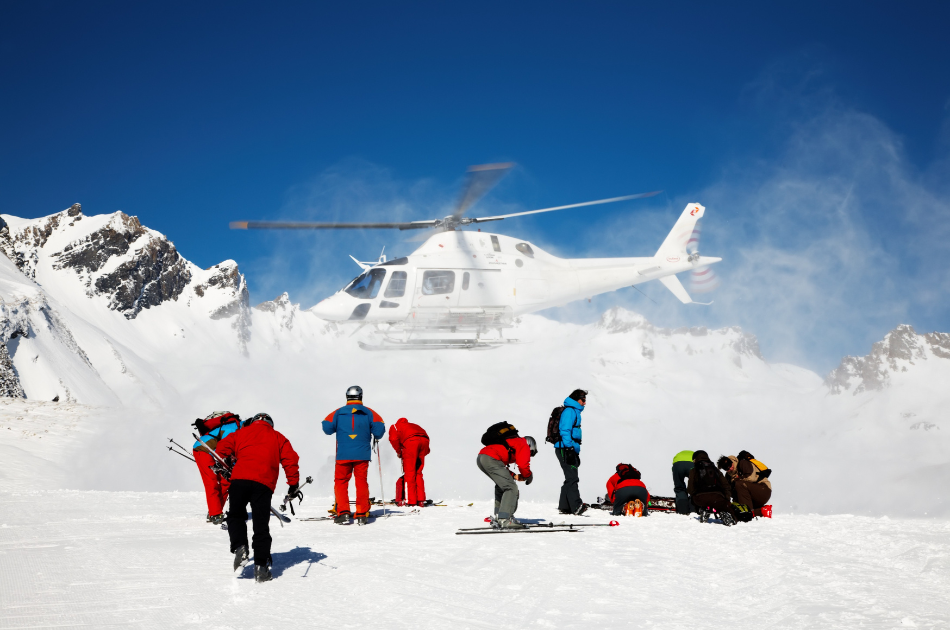
The Weather-Dependent Adventure. Heli-skiing guides don’t know their best days in advance. Snowpack settles, a front passes, and a window appears with roughly 48 hours of warning. Guests who can commit inside that window get the skiing everyone else came for and missed. The guests who booked two months out on fixed flights get whatever the mountain happens to be doing.
The same logic drives surf charters chasing a swell, aurora trips chasing solar activity, and safaris chasing a river crossing that nobody can schedule.
These experiences don’t run on an airline’s timetable, they run on conditions. The whole premise is: the weather is good today. A private charter can be in the air within hours of a forecast changing, landing you on a private airstrip near the ski lift instead of three time zones and a layover away from it.
The Invite That Doesn’t Wait. A seat at a private art preview the night before it opens to the public. A paddock pass. A wedding on an island with only one flight a week. These events happen on someone else’s calendar, not yours, with no regard for whether you can make a connection. Flying by private charter means the trip gets built around the three hours the event actually takes place, not around what commercial schedules allow either side of it.
Access, Not Airspace
It’s tempting to describe all this as speed or comfort, and both are true. But the more interesting shift is that private aviation has become a way to purchase access – to places, timing, and moments that money alone cannot otherwise unlock. Experiential travel today is defined by experiences that feel personal, immersive, and unhurried, with the journey itself becoming part of the story rather than a means to an end.
That reframing matters. A first-class seat gets you somewhere comfortably. A private charter gets you to a moment, one with a start time, a weather window, or a guide list – and no flexibility on any of them. The private jet is the only part of the trip flexible enough to work around everything else.
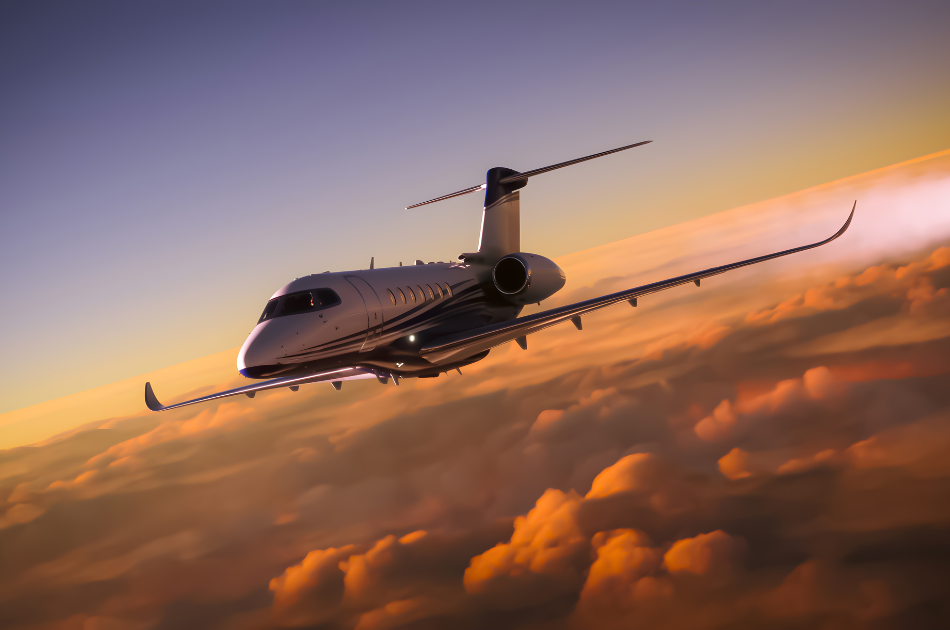
Choreographing the Impossible
None of this happens by accident. Behind a single spontaneous weekend is a chain of decisions made in hours: which airport can actually take the aircraft, which crew can get there in time, which backup plan exists if the weather doesn’t cooperate. Luxury travellers increasingly expect every part of the trip – flight coordination, ground transportation, accommodations, dining, and event access – to work together seamlessly, and that seamlessness is the actual product. The traveller experiences a single, unbroken moment. What makes it possible is dozens of details resolved out of view.
This is where the value of a charter specialist shows up most. Anyone can book a jet from point A to point B. Building a trip around a chef’s one available night, a snow forecast, or an event that starts the moment you land takes a different kind of planning, one where the flight is treated as a single moving piece inside a much bigger puzzle.
Counting Moments, Not Miles
The traveller who once counted nights away, or countries visited, is now counting something harder to display and much harder to replicate: the number of things that happened which could not have happened any other way.
The dinner on a secluded island. The morning on untracked snow that existed for one day. The Saturday in a place you were not supposed to be able to reach and were back from by Sunday night.
The destination hasn’t disappeared. It’s just stopped being the whole story. The destination, in the end, is just where the moment was standing. Getting to it in time is the whole thing.
Thinking about a trip built around a moment rather than a map? jetlogic can help you design a charter around it, whether it’s a weather window, an invite-only event, or a route no scheduled airline can reach. Contact our Operations team to start planning your next experiential adventure.